


Local Victorian Room Extension Builders
Add a review FollowOverview
-
Founded Date April 29, 1910
-
Sectors Construction / Facilities
-
Posted Jobs 0
-
Viewed 3

Company Description
Nine Things That Your Parent Teach You About Victorian Garden Conservatory
The Charm and Functionality of Victorian Garden Conservatories
Victorian garden conservatories, typically considered the embodiment of traditional garden architecture, have captured the creativity of homeowners, architects, and historians alike. With their intricate designs and smooth mix of interior and outside spaces, these structures serve not only as trendy additions to gardens but also as functional spaces that can house a myriad of plant life. This post digs into the history, design features, practical uses, and upkeep suggestions for Victorian garden conservatories, showing their classic appeal.
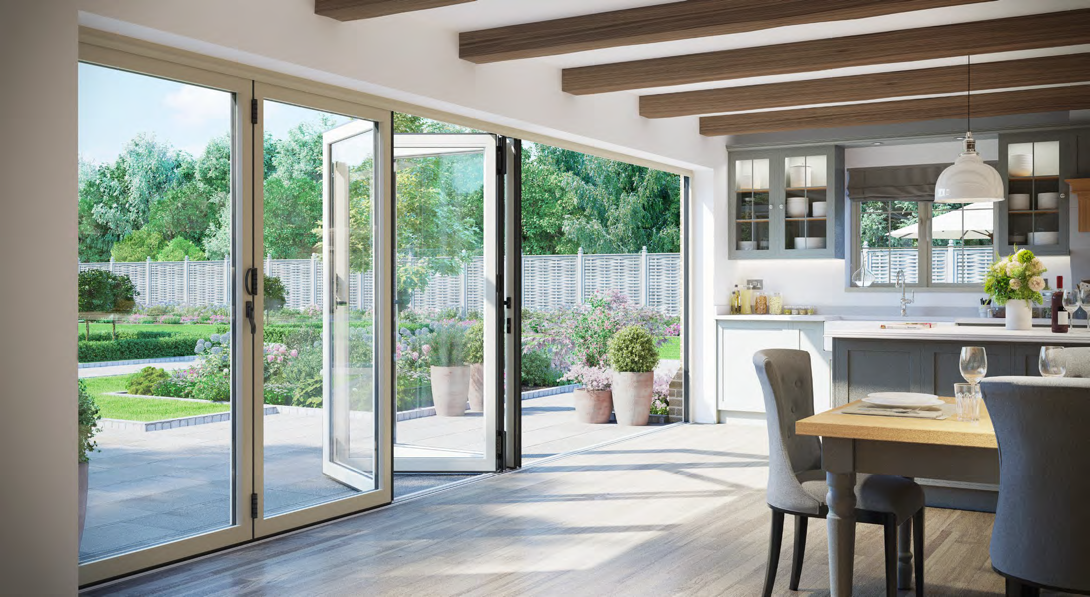
A Brief History of Victorian Conservatories
The Victorian era, covering from 1837 to 1901 during Queen Victoria’s reign, was a prolific time for conservatory design. The industrial transformation sustained advancements in glass production and metalworking, enabling for larger and more enthusiastic designs. Wealthy families, eager to display their status and love for cultivation, started to develop expansive greenhouses or conservatories.
At first, these structures were used mainly to show exotic plants from around the world. Nevertheless, as their popularity grew, they changed into vibrant areas for family gatherings, parties, and even musical efficiencies. Today, they remain a symbol of sophistication and sophistication in garden design.
Key Features of Victorian Conservatories
Let’s take a closer look at what makes Victorian garden conservatories unique through the following table:
| Feature | Description |
|---|---|
| Products | Victorian Garden Room Installers conservatories are typically built using wrought iron or cast iron frames, frequently adorned with ornamental finials and detailed metal work. The roofs include big panes of glass, allowing maximum light penetration. |
| Design Elements | Typical design elements include tall, pointed arched windows, ornamental bracing, and typically a tiered roofing system structure. Many likewise have actually stunning stained glass or patterned glass to include to their visual appeal. |
| Orientation | Ideally, conservatories need to be placed to optimize sunlight direct exposure, generally facing south or west. |
| Climate Control | Features such as ventilation systems, optional heating, and shading devices allow temperature and humidity control, necessary for plant health. |
Why Have a Victorian Garden Conservatory?
Victorian conservatories are more than just pretty structures– they provide a wide range of uses that make them a valuable addition to any home. Here are some reasons house owners select to purchase these beautiful garden areas:
- Year-Round Gardening: With temperature level and humidity control, a conservatory enables you to grow plants year-round, despite external weather.
- Visual Appeal: The sophistication of Victorian architecture includes a touch of sophistication to any garden, often increasing the property’s value.
- Versatile Space: Conservatories can serve numerous purposes– greenhouses for gardeners, sunrooms for relaxation, or spaces for entertaining visitors.
- Connection to Nature: A conservatory produces a relaxing atmosphere, allowing house owners to escape into a lavish environment without needing to leave their home.
- Creative Potential: The design and design can be customized to match individual tastes, making them unique extensions of the home.
Diverse Uses of a Victorian Conservatory
| Use | Description |
|---|---|
| Indoor Garden | Create an indoor sanctuary filled with rich plants, flowering species, and even a small vegetable or herb garden. |
| Relaxation Space | Furnish the conservatory with comfy seating for reading, meditating, or merely enjoying the surroundings. |
| Home entertainment Area | Host gatherings, tea celebrations, or even little musical efficiencies amidst a charming atmosphere. |
| Office or Studio | Convert the space into a light-filled office or art studio, promoting imagination and focus. |
Upkeep Tips for Your Victorian Conservatory
Preserving a Victorian conservatory requires attention to both the structure and the plants within. Here are some necessary maintenance pointers:
- Regular Cleaning: Keep glass panes clean to optimize sunlight. Utilize a soft cloth or sponge with glass cleaner– prevent abrasive products that could scratch the glass.
- Examine the Frame: Periodically inspect the iron or metal frames for rust or structural weaknesses. Deal with any rust areas instantly to avoid disintegration.
- Manage Temperature and Humidity: Use shading gadgets, open windows, or fans for ventilation in warmer months. During winter, consider heating choices that won’t harm plants.
- Plant Care: Regularly water plants, taking notice of different types’ needs. Prune dead foliage and re-pot plants as necessary to motivate growth.
- Seasonal Adjustments: Change plans with the seasons to accommodate plant development and to keep the space inviting and fresh.
FREQUENTLY ASKED QUESTION: Common Questions About Victorian Garden Conservatories
1. What materials are best for a Victorian Garden Conservatory (Jimiantech.Com)?
- Wrought iron and cast iron are traditional, long lasting choices that can support big glass panes comfortably. Modern options include aluminum for a lighter and rust-resistant option.
2. Are Victorian conservatories energy efficient?
- Well-designed and insulated conservatories can undoubtedly be energy-efficient, particularly when fitted with double-glazed glass, lowering heat loss in winter.
3. How do I select the ideal plants for my conservatory?
- Select plants based upon the quantity of sunshine the conservatory receives. Tropical plants frequently thrive in brilliant, damp conditions, while others might require less intense light.
4. Can I utilize a Victorian conservatory throughout the year?
- Yes! With proper heating and ventilation, a conservatory can be a practical space throughout the seasons for both plants and individuals.
5. How pricey are Victorian Garden Room Installers conservatories to preserve?
- Expenses vary considerably depending on size, products, and local environment. Annual upkeep usually consists of cleansing, plant care, and periodic repairs.
Victorian Style Sunroom Installers garden conservatories stand as architectural marvels, characterizing a love for nature and the outdoors. They not only enhance visual appeal and boost home worth but likewise offer practical, delightful areas for personal satisfaction. For those considering this traditional structure, the benefits are both many and enchanting. Whether one dreams of summertime flower display screens or cozy winter season retreats, a Victorian Garden Room Installers conservatory can magnificently fulfill those desires while also acting as an enduring tribute to a time when craftsmanship and botanical interest thrived.
With the ideal care and attention, Victorian garden conservatories can continue to grow for generations to come, bridging the past with today in delightful consistency.
